What Materials Are Used in Dental Crowns Southgate CA?
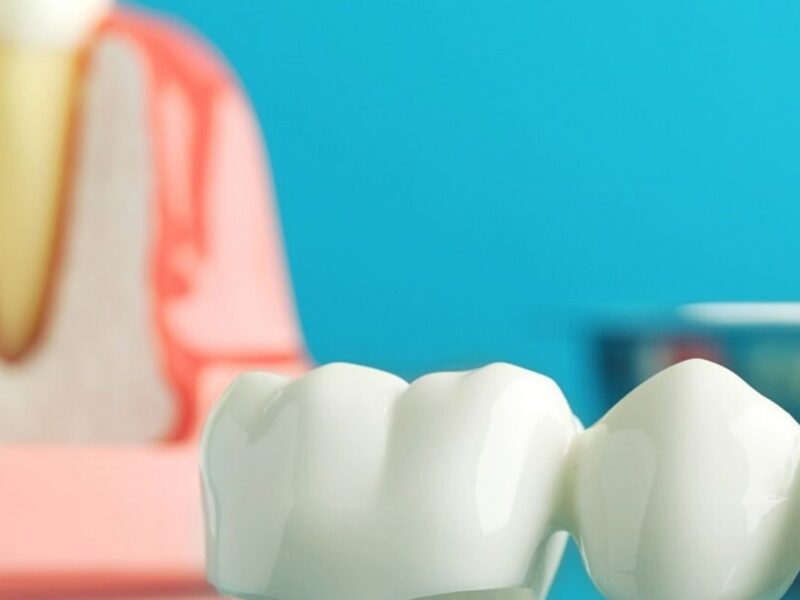
When a patient hears the words "you need a crown," the next question is usually about the tooth itself. Is it cracked? Is the filling too large? Can it still be saved? Very quickly, though, the conversation turns to material. That is where the decision gets more personal.
Not all crowns are made the same way, and not all materials behave the same in the mouth. A crown on a back molar that absorbs heavy chewing forces has different demands than a crown on a front tooth that shows every time someone smiles. A patient who clenches at night presents one set of challenges. Someone with a highly visible smile line presents another. Cost matters, appearance matters, and long-term durability matters.
For patients researching Dental Crowns Southgate CA, understanding the materials used can make the entire process less intimidating. It also helps set realistic expectations. There is no single "best" crown for every person. There is a best choice for a specific tooth, bite pattern, cosmetic goal, and budget.
Why crown material matters more than most people expect
A dental crown is a full-coverage restoration that fits over a damaged or heavily restored tooth. It protects what remains of the natural structure while restoring function and shape. On paper, that sounds straightforward. In practice, the choice of material affects how the crown looks, how much tooth must be removed, how it wears against opposing teeth, and how likely it is to hold up for years under pressure.
A patient with a root canal on a lower molar often needs a material that can withstand significant force. A patient restoring a chipped front tooth after an accident may prioritize translucency and a lifelike surface. I have seen cases where a crown that looked beautiful in the hand felt too opaque once seated beside natural teeth. I have also seen crowns that were technically strong but transmitted too much wear to the opposing enamel because the bite was not managed carefully.
Material choice is not cosmetic window dressing. It shapes the result in very practical ways.
Porcelain crowns and the push for a natural look
When people say "porcelain crown," they are often using a broad term. In everyday dental conversations, porcelain usually refers to tooth-colored ceramic materials designed to mimic natural enamel. These crowns are popular because they can be highly aesthetic, especially in visible areas.
Porcelain reflects and transmits light more like a natural tooth than metal-based options. That matters more than many people realize. Natural enamel is not flat white. It has depth, subtle translucency, and slight variation from the gumline to the biting edge. A well-made porcelain or ceramic crown can capture that effect.
For front teeth, that can be the difference between a restoration that blends in and one that draws attention for the wrong reason. A patient may not be able to explain why a crown looks "off," but they usually notice when it appears too chalky, too gray, or too opaque.
The trade-off is that traditional porcelain can be more brittle than some newer materials, especially in areas where chewing forces are concentrated. That is why dentists often weigh bite pressure, crown thickness, and tooth position before recommending a porcelain-heavy solution.
All-ceramic crowns and why they are common today
All-ceramic crowns have become a mainstay in modern restorative dentistry. Unlike older crowns that relied on a metal substructure, all-ceramic options are entirely tooth-colored. They can be made from different ceramic families, including lithium disilicate and zirconia, each with its own strengths.
Patients often like all-ceramic crowns because there is no dark metal margin to worry about near the gumline. That can be especially important for people with a high smile line or thin gum tissue, where the edge of a restoration is more likely to show over time.
Another practical advantage is versatility. Many all-ceramic materials now perform well enough for both front and back teeth, though not all ceramics are interchangeable. A dentist may choose one type for an upper central incisor and a different type for a lower first molar, even if both are classified broadly as ceramic crowns.
Zirconia crowns, the workhorse material for many cases
If one material has changed crown dentistry in a major way over the past decade or so, it is zirconia. Zirconia is a very strong ceramic, and in many practices it is one of the most commonly used materials for posterior crowns.
Its appeal is easy to understand. Zirconia is durable, fracture-resistant, and suitable for patients who put a lot of force on their teeth. That includes people who grind or clench, patients with large molars that have lost significant structure, and cases where long-term strength is the top priority.
Earlier generations of zirconia were incredibly strong but often looked more opaque than natural enamel. That made them practical for back teeth but less ideal in highly visible areas. Newer zirconia formulations have improved aesthetics, with better translucency and a more natural appearance. Even so, there is still often a balancing act between maximum strength and ideal cosmetic blending.
A Southgate patient restoring a cracked lower molar after years of nighttime grinding is a classic zirconia candidate. In that setting, the goal is usually to preserve the tooth and keep the crown stable under repeated force. If the same patient also needs a crown on a front tooth, the dentist may recommend a different material there for a better cosmetic match.
Lithium disilicate, where beauty and strength meet
Lithium disilicate, often recognized under brand names patients may have heard in consultations, is another common all-ceramic material. It offers an appealing middle ground: stronger than older cosmetic porcelains and generally more aesthetic than many high-strength posterior materials.
For front teeth and premolars, lithium disilicate is often an excellent choice. It can be layered or stained to resemble natural teeth closely, and in the right case it provides enough durability for functional success as well. Dentists also like it for certain partial coverage restorations, though that depends on the clinical situation.
The limitation is that heavy grinders, deep bites, and certain molar cases may push the material beyond its ideal use, depending on thickness and preparation design. Material science has advanced, but the laws of force still apply. A beautiful crown that chips after a year is not a good outcome, no matter how nice it looked on delivery day.
Porcelain-fused-to-metal crowns, still relevant in the right situation
Porcelain-fused-to-metal crowns, often shortened to PFM crowns, were once the standard choice for many restorative cases. They combine a metal base for strength with porcelain layered over the outside for a tooth-colored appearance.
These crowns are still used, though less often than before. They remain a practical option in situations where strength is important but an all-metal look is not acceptable. Some dentists also prefer them in certain bridge cases or when there are specific concerns about retention and support.
PFM crowns do have drawbacks. Over time, the porcelain layer can chip. The metal underneath can sometimes create a darker appearance near the gums, especially if gums recede. On front teeth, that can become noticeable. Many patients seeking Dental Crowns Southgate CA specifically ask for metal-free options because they want a more natural aesthetic and fewer concerns about visible dark edges.
Still, it would be a mistake to dismiss PFMs entirely. They have a long clinical track record and can perform very well in selected cases.
Gold and other metal crowns, durable but less common cosmetically
Gold crowns have a reputation that is both deserved and misunderstood. They are among the most durable restorations in dentistry and, in many cases, remarkably kind to opposing teeth when designed properly. Gold alloys can be thin yet strong, which means less natural tooth often needs to be removed during preparation.
That is a major advantage. Preserving healthy tooth structure is always valuable.
Patients who choose gold for back molars are often people who prioritize longevity and function above appearance. Some already have older gold restorations that have lasted decades. It is not unusual to hear someone say, "The gold crown I got years ago gave me less trouble than anything else."
The obvious limitation is appearance. Most people do not want a visible metallic crown, particularly in the front of the mouth. Other metal alloys can also be used for crowns, but all-metal restorations today are generally reserved for select posterior cases where visibility is minimal and performance matters most.
Resin crowns and temporary materials
Not every crown material is designed for long-term use. Resin-based crowns are often used as temporaries, especially while a permanent crown is being made in a laboratory. These provisional crowns protect the prepared tooth, reduce sensitivity, and help maintain appearance and spacing.
Temporary crowns matter more than patients often realize. A poorly fitting temporary can irritate the gums, shift the bite, or allow a prepared tooth to become sensitive. A well-made one gives the patient a functional preview and helps the dentist evaluate contour, speech, and comfort before the final crown is delivered.
There are also some lower-cost permanent resin options in dentistry, but compared with ceramics and metal-based materials, they tend to wear faster and are generally less durable over the long term. They may be used in limited situations, though they are not typically the first choice for a definitive crown meant to last many years.
How dentists decide which crown material to recommend
Material selection is rarely based on one factor alone. Dental Crowns Southgate CA It is a layered decision, often made after examining the tooth, evaluating the bite, reviewing x-rays, and discussing the patient's priorities.
Here are some of the biggest factors that shape the recommendation:
- Tooth location, because front teeth and back teeth face different cosmetic and functional demands.
- Bite force, especially in patients who clench, grind, or have a history of cracked teeth.
- Amount of remaining tooth structure, since weaker teeth may need materials and designs that offer more protection.
- Aesthetic expectations, including shade matching, translucency, and visibility when smiling.
- Budget and insurance considerations, which sometimes influence what is realistically available.
A lower second molar hidden in the back corner of the mouth often calls for a very different conversation than a crown on an upper lateral incisor. Even two neighboring teeth can need different materials if one carries a heavier contact load or has less supporting structure.
The local factor in Southgate, CA
When patients search for Dental Crowns Southgate CA, they are not just looking for a list of materials. They are trying to understand what options a local dentist may actually offer and why those recommendations differ from one office to another.
Some practices work heavily with in-office milling systems and same-day ceramic crowns. Others rely on outside laboratories that can fabricate layered cosmetic restorations with a high level of customization. Neither approach is automatically better. It depends on the case.
For a straightforward molar crown, same-day zirconia or ceramic can be efficient and predictable. For a front tooth where subtle translucency and characterization are critical, a skilled lab technician may add real value. In visible cosmetic cases, shade matching can be surprisingly nuanced. Under operatory lighting, a crown may look one way. In daylight, it may tell a different story. That is why detailed communication among the dentist, patient, and lab matters so much.
Local habits and demographics matter too. In many busy family practices, dentists see a wide mix of needs, from heavily worn posterior teeth in longtime grinders to cosmetic replacements for fractured front teeth. A material recommendation should reflect that real-world complexity, not a one-size-fits-all sales pitch.
What patients often misunderstand about "strongest" versus "best"
Patients often ask for "the strongest crown," assuming that strength alone decides the issue. That is understandable, but strength is only part of the story.
A very strong material can still fail if the bite is off, if the tooth underneath is compromised, or if the preparation design is poor. On the other side, a material that is not the absolute strongest on paper may be the best choice because it bonds beautifully, looks natural, and functions well in a lower-stress area.
The strongest crown is not always the best crown. The best crown is the one that fits the clinical situation, protects the tooth, harmonizes with the bite, and meets the patient's goals without creating new problems.
This distinction matters especially with online research. Patients read that zirconia is extremely strong and conclude that every crown should be zirconia. Then they are disappointed if a dentist recommends a different ceramic for a front tooth. That is not inconsistency. That is case selection.
Aesthetic details patients should ask about
Shade is only one piece of crown aesthetics. Surface texture, translucency, contour, and how the crown meets the gumline also affect whether a restoration looks believable.
A front crown that is too smooth can look artificial even if the color is close. A crown with the right shade but the wrong contour can make the tooth appear bulky. An opaque crown next to naturally translucent neighboring teeth can stand out in photos even if it looks acceptable at a quick glance in the mirror.
Patients do not need to master dental terminology, but they should feel comfortable asking practical questions. A few useful ones include:
- Will this material match the neighboring teeth well in my case?
- Is this crown being made in office or by a dental lab?
- Do I have any bite habits, like grinding, that affect material choice?
- How long does this type of crown typically last with good care?
- What are the trade-offs if I choose a less expensive option?
These questions usually open a far more productive conversation than simply asking which material is "best."
Longevity depends on more than the crown itself
Even an excellent crown can fail prematurely if the underlying conditions are not controlled. Recurrent decay at the margin, untreated grinding, poor oral hygiene, and high sugar intake are common reasons crowns need replacement earlier than expected.
A crown does not make a tooth invincible. The margins where the crown meets the tooth still need careful cleaning. If a tooth had a root canal or a deep fracture history, it may remain more vulnerable than an untouched natural tooth. Patients sometimes think a crowned tooth no longer needs monitoring because it is now "covered." In reality, restored teeth often need closer observation.
Nightguards also come up often in crown consultations. For people who grind, a nightguard can protect both the crown and the opposing teeth. That recommendation is not an upsell when properly indicated. It is often what keeps a good restoration from being overloaded.
Cost differences and what drives them
Patients naturally want to know why one material costs more than another. The answer is usually a mix of material cost, fabrication method, lab complexity, appointment time, and case difficulty.
A highly aesthetic front crown may involve custom shading, multiple rounds of communication with a lab, and more chairside refinement. A straightforward posterior crown milled from zirconia may be more efficient to produce. Material names alone do not explain pricing. The tooth being restored, the esthetic demands, and the technical workflow all shape the final fee.
Insurance adds another layer. Some plans reimburse based on a standard crown allowance, regardless of whether the patient selects a premium all-ceramic option. That leaves the patient paying the difference. Clear treatment estimates matter, especially before work begins.
Matching the material to the person, not just the tooth
The best crown plans account for habits, expectations, and even personality. A patient who wants the most natural smile possible and is willing to invest in custom characterization may make a different choice than someone who primarily wants a sturdy back tooth restored quickly. Neither is wrong.
One patient may accept a slightly less translucent but stronger crown because they have broken restorations in the past. Another may prioritize a seamless cosmetic result because the crown sits in the center of the smile and they speak publicly for a living. Good dentistry leaves room for those differences.
That is why the material discussion should feel collaborative. Dentists bring clinical judgment, but the patient lives with the result.
What to remember when comparing options in Southgate
If you are evaluating options for Dental Crowns Southgate CA, expect to hear a handful of common material names: zirconia, lithium disilicate, porcelain-based ceramics, porcelain-fused-to-metal, and occasionally gold or other metal alloys. Each exists for a reason. Each solves a different kind of problem.
The most modern material is not always the most appropriate one. The strongest option is not always the most aesthetic. The least expensive choice can cost more later if it fails too soon, and the most expensive choice is not automatically superior if the case does not call for it.
A thoughtful crown recommendation should make sense when you consider the tooth's location, the condition of the remaining structure, your bite, your cosmetic goals, and the dentist's method of fabrication. When those pieces line up, the material choice stops feeling confusing and starts feeling logical. That is usually the sign that the plan is on the right track.
Simple Dental South Gate
Address: 8617 California Ave, South Gate, CA 90280
Phone number: +13236896118
FAQ About Dental Crowns Southgate CA
How much do crowns cost per tooth?
In the United States, a single dental crown typically costs between $800 and $2,500 per tooth without insurance. The ultimate out-of-pocket price depends heavily on the crown material, the location of the tooth, and whether you have dental insurance coverage.
What is the downside of crowns on teeth?
The primary downside of a dental crown is that the procedure permanently removes natural tooth enamel to shape the tooth for the cap.
Why do dentists push for crowns?
Dentists recommend crowns because a large filling cannot provide enough strength when a tooth loses a major portion of its structure or faces heavy chewing pressure.