How Dental Crowns Southgate CA Support Better Oral Function
A dental crown is easy to mistake for a purely cosmetic fix. Many people hear the word and picture a brighter, more attractive tooth. Appearance matters, of course, but the real story is usually functional. A well-made crown helps a damaged tooth bite properly, handle pressure, protect what remains of the natural structure, and work in harmony with the rest of the mouth. That matters every time you chew, speak, clench, smile, or simply go through the day without thinking about your teeth.
In practice, crowns often become part of the turning point between a struggling tooth and a stable one. Patients rarely come in saying, “I want better oral function.” They say their tooth hurts when they chew almonds. Their filling keeps breaking. Their molar cracked and now they only chew on one side. Their front tooth is worn down and affects how certain words come out. Function is what brings most people through the door, even when they first describe the problem in everyday terms.
For people searching for Dental Crowns Southgate CA, it helps to understand that a crown is not a one-size-fits-all product. The best results depend on the reason the tooth needs coverage, how much healthy tooth remains, the bite pattern, the gumline, the material selected, and the precision of the fit. When those pieces come together, a crown can do much more than cover damage. It can restore dependable everyday use.
Why oral function breaks down in the first place
Teeth are durable, but they are not indestructible. Over time, normal wear, untreated decay, grinding, old fillings, trauma, and bite imbalances can push a tooth past the point where a simple filling is enough. Once enough structure is lost, the tooth flexes more under pressure. That flexing can lead to pain, cracks, sensitivity, and repeated failure of smaller restorations.
A back tooth is a good example. Molars absorb significant force during chewing. If one of those teeth has a large cavity or an aging silver filling that takes up half the chewing surface, the remaining walls become more vulnerable. At first, the person may notice only occasional sensitivity. Later, they start avoiding chewy foods on that side. Eventually the cusp Dental Crowns Southgate CA fractures, sometimes while eating something as ordinary as toast or grilled chicken. At that stage, the issue is no longer cosmetic. The tooth is not doing its job reliably.
Front teeth have a different set of demands. They cut food, support speech, and contribute to lip support and smile balance. When a front tooth is chipped, weakened after root canal treatment, or heavily restored, a crown may be used to rebuild shape and strength so it functions naturally again. Patients often notice the change most when they stop worrying about whether the tooth will hold up.
What a crown actually does
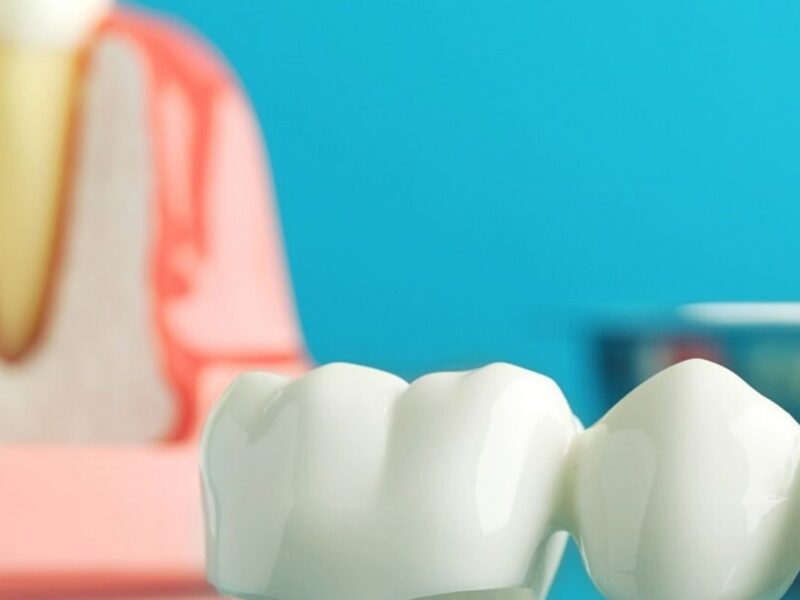
A crown is a custom-made cap that covers the visible part of a tooth after the tooth has been shaped to receive it. That simple description misses the real benefit. A crown redistributes biting force across a damaged tooth more effectively than a large filling can. It binds and protects the prepared tooth, reducing the chance that thin remaining walls will split under load.
Think of it less as a patch and more as a structural reinforcement. If a tooth is already compromised, the goal is not merely to fill space. The goal is to help that tooth return to service without asking fragile edges to withstand forces they are no longer built to handle.
When a crown is done properly, several functional improvements often follow. The bite can be rebalanced. Food can be chewed more comfortably. Temperature sensitivity may decrease once exposed or weakened areas are protected. The tooth becomes easier to clean than a rough, fractured, or overfilled surface. Perhaps most importantly, the person starts using that side of the mouth again, which can reduce uneven wear elsewhere.
Chewing efficiency improves when force is controlled
One of the most noticeable benefits of a dental crown is improved chewing efficiency. Patients do not always realize how much they have adapted around one weak tooth until the problem is fixed. They have been tearing food into smaller pieces, favoring the opposite side, or skipping certain textures altogether.
A healthy chewing system depends on contact points lining up correctly. If a tooth is broken down, painful, or missing part of its surface anatomy, chewing becomes less efficient. The jaw shifts. The tongue compensates. Neighboring teeth take on extra workload. Over months or years, that compensation can create a chain reaction of wear and strain.
A crown can restore the contours that make chewing smooth and effective. On molars and premolars, those contours include cusps, grooves, and contact points that guide food breakdown. This is not decorative detail. It is functional anatomy. Too flat, and the crown may not process food well. Too high, and the tooth takes excess force, leading to soreness or fracture risk. Too broad or too tight at the contacts, and flossing becomes difficult or food traps increase.
There is a real craft to getting this right. The best crowns are designed with the patient’s bite in mind, not just the shape of an ideal textbook tooth. A person who clenches heavily at night needs a different functional strategy than someone with a light bite and minimal wear.
Protection for teeth that would otherwise keep breaking
Some teeth enter a cycle of repair and failure. A filling falls out. It is replaced. Another corner chips. The filling leaks. More tooth is lost. At a certain point, replacing the filling again becomes poor long-term planning. The tooth needs full coverage.
This is especially common after root canal treatment. A tooth that has had endodontic therapy is not automatically doomed, but it is often structurally weaker because decay, fracture, or old restorations have already taken a toll. Back teeth that have had root canals frequently benefit from crowns because they still need to withstand heavy chewing forces. Without full coverage, they are more likely to crack.
Patients are sometimes surprised by how often the recommendation for a crown is about prevention rather than current pain. A tooth may not hurt much, but it may be one hard bite away from splitting below the gumline. Once that happens, the tooth may no longer be restorable. Saving a tooth before that point is usually less invasive, less expensive, and less frustrating than trying to manage a catastrophic fracture later.
Speech and comfort can improve too
Function is not limited to chewing. Teeth play a role in speech, especially the front teeth and the way the tongue interacts with them. When a front tooth is chipped, shortened, or altered by wear, subtle speech changes can occur. Certain consonants may feel less crisp. Some people notice a slight whistle or air escape, particularly if spacing or edge shape changed after injury or years of grinding.
A crown on a front tooth can restore the proper length and contour needed for more natural pronunciation. This tends to be a quiet benefit, not one patients expect to mention unless asked, but it can make a meaningful difference in daily confidence.
Comfort matters just as much. A tooth with a crack or extensive breakdown often creates a vague, hard-to-describe tenderness when biting. Patients will say it feels “off” or “not trustworthy.” Once that tooth is stabilized with a well-fitted crown, the absence of that nagging awareness can feel like a major relief.
Bite balance affects the whole mouth
Dentistry works as a system. One damaged tooth rarely stays an isolated problem forever. If someone avoids chewing on the right side for six months because a lower molar hurts, the left side does extra work. Muscles adapt. Wear patterns shift. Sometimes jaw discomfort begins not because of a severe joint disorder, but because one unstable tooth changed how the entire bite functioned.
Crowns can help reestablish a more balanced bite when used thoughtfully. That does not mean every bite issue is solved with a crown. Far from it. If the underlying problem is significant grinding, tooth movement, or a larger alignment issue, a crown may be only part of the answer. But as part of a comprehensive plan, crowns can restore individual teeth so they participate properly in chewing again.
This is one reason bite adjustment after crown placement matters. Even a beautifully made crown can feel wrong if the contacts are too heavy or if the tooth hits first during closure. Small refinements can make a major difference in comfort and long-term success.
Material choice influences function
Patients often ask which crown material is “best.” The more accurate question is which material is best for this tooth, in this mouth, under these forces. Several crown materials can perform well, but they do not behave identically.
Porcelain or ceramic crowns are often favored where esthetics matter, especially for front teeth. Modern ceramics can also be strong enough for many back teeth, depending on the case. Zirconia crowns are known for durability and are commonly used in higher-force areas. Porcelain fused to metal crowns remain useful in some situations, though they are less common than they once were.
The material should support function, not fight it. A patient with significant bruxism may need a stronger option and, in some cases, a night guard afterward to protect the investment. A front tooth with high smile visibility may call for a material with superior translucency and shade matching. There is always a judgment call between strength, esthetics, available space, opposing teeth, and margin location.
That trade-off matters. The strongest material on paper is not automatically the best if it requires compromises in shape or fit. Likewise, the most beautiful material is not ideal if it cannot withstand the person’s bite forces over time.
The fit at the margin matters more than most people realize
Patients tend to judge a crown by how it looks and whether it hurts. Dentists also think about the margins, the edges where the crown meets the natural tooth. That seam is critical. If the fit is poor, plaque accumulates more easily, gum tissue becomes irritated, and recurrent decay can develop around the edge.
A precise margin supports both oral health and function. When gums are healthy around a crown, brushing and flossing are easier and more comfortable. The crown feels like part of the mouth rather than a foreign object catching food and irritating tissue. A good fit also helps protect the underlying tooth from bacterial leakage.
This is one area where rushed dentistry often reveals itself later. A crown can seem fine at first but become a problem after a year or two if the margins were not ideal, the cement seal failed, or the original tooth was not prepared with enough precision. Long-term function depends on details that are mostly invisible to the patient on day one.
What the process usually looks like
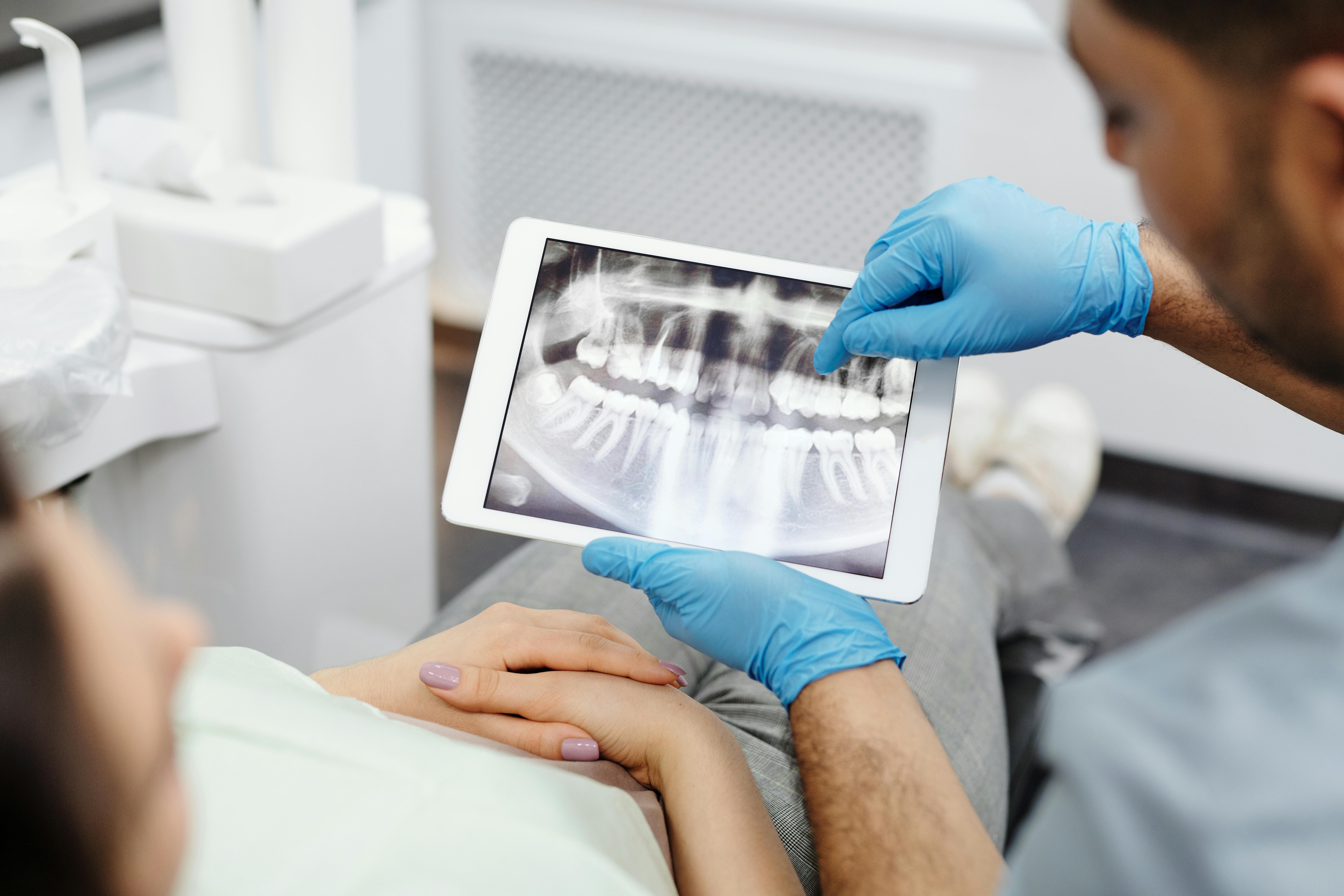
While exact steps vary by office and case complexity, the crown process is usually straightforward. The tooth is evaluated, often with X-rays and a bite assessment. If the tooth is suitable for a crown, it is shaped to create room for the final restoration. A digital scan or traditional impression is taken, and a temporary crown may be placed while the final one is made. At the delivery visit, the fit, contacts, bite, and appearance are checked before cementation.
Several practical points help patients know what to expect:
- Mild sensitivity after tooth preparation is common, especially with a temporary.
- The final crown should feel secure and natural, though it may take a few days to feel familiar.
- A bite that feels slightly high should be adjusted promptly, not tolerated for weeks.
- Excellent home care remains essential because the tooth under the crown can still decay at the margin.
- Nighttime grinding may require a protective appliance to extend the life of the crown.
That sequence sounds simple on paper, but each stage affects function. A poor temporary can let the tooth drift or irritate the gum. An inaccurate scan can alter contacts. A rushed cementation visit can miss a subtle bite interference. Good crown work depends on methodical execution.
When a crown is the right choice, and when it may not be
A crown is often the best answer for a tooth with extensive structural loss, a crack, a failed large filling, severe wear, or post-root canal weakness. It can also be used on dental implants, though that is a different clinical situation because the crown is attached to an artificial root rather than a natural tooth.
Still, not every damaged tooth needs full coverage. If decay is small and the remaining structure is strong, a filling or inlay may preserve more natural tooth. Over-treating a minimally damaged tooth with a crown would not be good practice. On the other hand, under-treating a heavily compromised tooth with yet another large filling can Dental Crowns Southgate CA simpledentalca.com be equally shortsighted.
Then there are edge cases. A tooth with a deep crack extending below the gumline may have a poor prognosis even with a crown. A patient with uncontrolled clenching may need bite management before expecting any restoration to last well. Someone with advanced gum disease may need periodontal treatment first so the crown is placed in a healthier environment.
These judgment calls are where experience matters. A recommendation should reflect the condition of the tooth, not a blanket preference.
Crowns and day-to-day quality of life
People often underestimate how much one compromised tooth affects daily routines. Eating becomes tentative. Cold drinks trigger a sharp zing. Flossing around a broken edge feels unpleasant. Smiling in photos starts to feel self-conscious if the damage is visible. These are small moments, but they accumulate.
A successful crown tends to restore ease. The person bites into food without mentally mapping which side feels safer. They stop probing the tooth with their tongue. They can chew steak, apples, or crusty bread without that background worry that something will crack again. It is hard to put a dollar figure on that kind of relief, but patients recognize it immediately once they have it back.
For many families in South Gate, time matters too. Repeated repair of a failing tooth means more appointments, more interruption, and often higher cumulative cost. A crown is not trivial treatment, but in the right case it can be the more stable, efficient path.
Caring for a crown so function lasts
Crowns do not require exotic maintenance, but they do reward consistency. The crown itself cannot decay, yet the natural tooth underneath remains vulnerable where crown and tooth meet. Gum health around the crown also affects how comfortable and durable the result will be.
The basics are familiar but important: brush thoroughly, clean between the teeth every day, attend regular dental visits, and address bite issues early. Patients who grind or clench should take that seriously. Bruxism is one of the biggest reasons restorations chip, loosen, or fail prematurely.
A few habits deserve extra attention:
- Do not use crowned teeth as tools for opening packages or biting fingernails.
- Be cautious with ice chewing, hard candy, and unpopped popcorn kernels.
- Report persistent tenderness, food trapping, or floss shredding around the crown.
- Wear a prescribed night guard if grinding is part of your pattern.
- Keep routine cleanings, because gum inflammation around any restoration shortens its lifespan.
Those points are simple, but they matter. Crowns do well when the environment around them is healthy and the forces on them are controlled.
What patients should ask before moving forward
When someone is considering Dental Crowns Southgate CA, a good consultation should leave them with a clear sense of why the crown is recommended and what outcome is realistic. A few questions can reveal a lot: How much natural tooth remains? Is the tooth cracked? Has the nerve been affected? What material is being recommended and why? How will the crown interact with my bite? What risks exist if I delay treatment?
The answers should be specific. “You need a crown because the filling is large” is not wrong, but it is incomplete. A more useful explanation describes what the dentist sees clinically, how the tooth is functioning now, and what the crown is expected to prevent or improve. Patients deserve that level of clarity.
It also helps to ask about the condition of surrounding tissues. If gums are inflamed or decay extends near the gumline, those issues can affect the complexity and longevity of the result. Likewise, if the office notes signs of clenching or bite wear, it is worth discussing whether a night guard should be part of the plan.
Better function is often the real measure of success
A crown may look excellent in the mirror, but the deeper test is whether the tooth works comfortably and predictably over time. Can the patient chew without hesitation? Does the bite feel stable? Are the gums healthy around the crown? Is the restoration protecting the remaining tooth structure rather than merely covering it?
That is where dental crowns earn their value. They support oral function by reinforcing weakened teeth, restoring proper anatomy, redistributing force, and helping the mouth operate as a coordinated system again. For patients dealing with fractures, large failing fillings, worn teeth, or post-root canal vulnerability, a crown can make the difference between managing around a problem and truly resolving it.
When evaluated carefully and placed with precision, dental crowns are not just protective shells. They are one of the most practical tools dentistry has for helping people eat better, speak more naturally, and trust their teeth again.
Simple Dental South Gate
Address: 8617 California Ave, South Gate, CA 90280
Phone number: +13236896118
FAQ About Dental Crowns Southgate CA
How much do crowns cost per tooth?
In the United States, a single dental crown typically costs between $800 and $2,500 per tooth without insurance. The ultimate out-of-pocket price depends heavily on the crown material, the location of the tooth, and whether you have dental insurance coverage.
What is the downside of crowns on teeth?
The primary downside of a dental crown is that the procedure permanently removes natural tooth enamel to shape the tooth for the cap.
Why do dentists push for crowns?
Dentists recommend crowns because a large filling cannot provide enough strength when a tooth loses a major portion of its structure or faces heavy chewing pressure.